Mastering Hibachi at Home: Your Complete Guide to Restaurant Flavors
The allure of a hibachi grill is undeniable. The mesmerizing sizzle, the dramatic flames, the rhythmic clatter of spatulas, and the incredible aroma of perfectly seared steak, chicken, and vibrant vegetables combine to create an unforgettable dining spectacle. For many, this unique experience is reserved for special occasions at their favorite Japanese steakhouse. But what if you could bring that same excitement, that same mouthwatering flavor, right into your own kitchen?
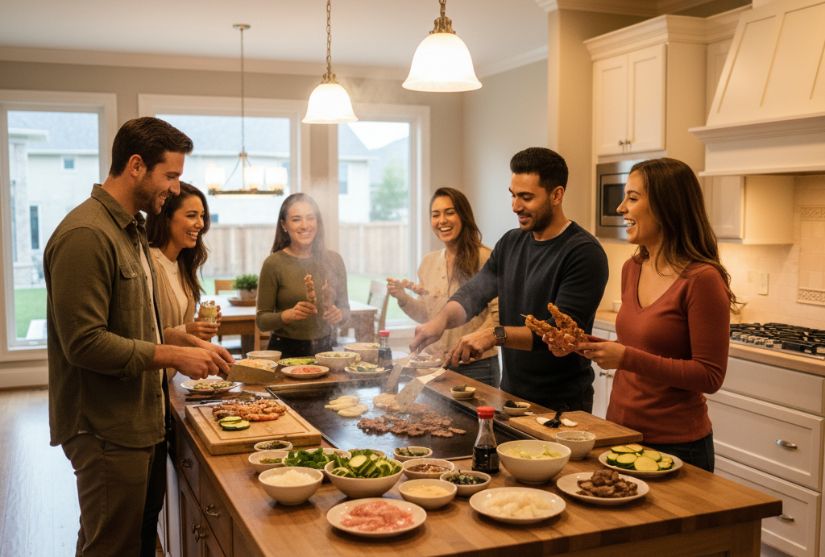
Learning how to make hibachi at home isn't just about cooking a meal; it's about transforming a regular dinner into an interactive culinary event. Whether you're planning a fun gathering with friends, celebrating a milestone, or simply craving those signature restaurant-quality flavors, mastering this accessible Japanese cooking style is far more achievable than you might imagine. This comprehensive guide will equip you with everything you need to know, from selecting the right equipment and ingredients to mastering the techniques professional chefs employ, ensuring your homemade hibachi rivals the best. Let's embark on a flavorful journey to bring the magic of hibachi home!
Understanding Hibachi: Beyond the Grill
Before we dive into the practicalities of cooking, it’s crucial to clarify what "hibachi" truly signifies. In its traditional Japanese context, a "hibachi" refers to a compact, portable heating device, typically a charcoal brazier, used for warmth or to heat a small pot. However, in the realm of American restaurants, when we speak of "hibachi cooking," we are almost universally referring to the teppanyaki style. This involves cooking food on a large, flat iron griddle, known as a teppan, which is usually built into a dining table or kitchen counter.
This distinct cooking method emphasizes several key characteristics that contribute to its unique appeal and flavor:
- High-Heat Searing: The core of teppanyaki is cooking at extremely high temperatures. This intense heat instantly sears the exterior of proteins and vegetables, locking in juices and creating a delightful caramelized crust that defines the hibachi flavor.
- Minimal Seasoning: Rather than relying on heavy sauces, authentic hibachi highlights the natural flavors of high-quality ingredients. Simple seasonings allow the freshness of the produce and the richness of the proteins to truly shine.
- Interactive Preparation: Part of the restaurant experience is the chef's theatrical flair – the quick movements, dramatic flips, and precise chopping. Recreating this at home adds an element of entertainment that makes the meal memorable.
- Quick Cooking Times: The high heat ensures that ingredients cook rapidly, preserving their vibrant colors, crisp textures, and essential nutrients. This also means less time slaving over a stove and more time enjoying the company.
The beauty of this style of cooking lies in its elegant simplicity. It’s not about complex recipes or intricate plating, but rather impeccable timing, precise heat control, and a focus on fresh, quality ingredients transformed into something extraordinary.
Essential Gear for Your Home Hibachi Setup
The good news is you don't need a commercial-grade teppanyaki grill to achieve authentic hibachi at home results. The principles of even heat distribution and a spacious cooking surface are what truly matter. Here’s what will make all the difference:
The Right Cooking Surface
- Cast-Iron Griddle or Flat-Top Grill: This is your best friend for home hibachi. A large cast-iron griddle (either stovetop or electric) or a dedicated flat-top grill offers exceptional heat retention and provides the expansive, even cooking surface necessary for simultaneous cooking of multiple ingredients. Its ability to get incredibly hot and stay hot is key to achieving that perfect sear.
- Large Cast-Iron Skillet or Well-Seasoned Wok: If a griddle isn't an option, a heavy-duty cast-iron skillet (or two, if you have them) can work for smaller portions. A well-seasoned wok, with its high walls and ability to conduct high heat, can also be surprisingly effective for stir-frying hibachi-style ingredients, though you'll miss the flat surface for things like chopping.
- Heat Source: While professional chefs often prefer gas stovetops for their instant and precise heat control, both gas and electric ranges can yield excellent results with proper technique and preheating.
Key Utensils & Organization
Having the right tools at your fingertips is half the battle. Just like a professional chef, your setup impacts your flow and final product. To unlock hibachi magic, you'll want:
- Two Metal Spatulas: Crucial for the signature flipping, scraping, and chopping techniques. Opt for spatulas with thin, sturdy blades.
- Squeeze Bottles: Ideal for dispensing cooking oils evenly and applying sauces with precision.
- Sharp Knives: Essential for precise and efficient ingredient preparation, from slicing proteins to dicing vegetables uniformly.
- Small Bowls (Mise en Place): Professional organization, known as "mise en place" (everything in its place), is non-negotiable for hibachi. Having all your ingredients prepped, measured, and within easy reach before you even turn on the heat allows you to focus solely on the cooking, timing, and theatrical elements.
The Heart of Hibachi: Quality Ingredients
The foundation of an extraordinary hibachi meal lies in the freshness and quality of its components. With minimal seasoning, each ingredient truly stands on its own. Here’s your essential shopping list for your home hibachi adventure:
Proteins
Aim for cuts that cook quickly and sear beautifully.
- Beef: Ribeye or sirloin steak (1-inch thick cuts are ideal for searing and retaining juiciness). Slice against the grain into bite-sized pieces for optimal tenderness.
- Chicken: Boneless, skinless chicken breast or thighs. Thighs offer a richer flavor and stay moister, while breast cooks faster. Cut into uniform 1-inch cubes.
- Seafood: Large shrimp (peeled and deveined) are a classic. Scallops (large sea scallops, patted very dry) make an excellent addition for variety and luxurious texture.
Vegetables
Fresh, crisp vegetables that can withstand high heat without becoming soggy.
- Zucchini: Sliced into half-moons or 1/4-inch thick rounds.
- Onions: Sliced into thick rings, then halved, or chopped into substantial pieces.
- Mushrooms: Cremini or button mushrooms, halved or quartered depending on size.
- Broccoli: Florets only, cut into small, manageable pieces.
- Additional Options: Consider thinly sliced carrots, bell peppers, or even asparagus for added color and nutrients.
Seasonings & Oils
Simplicity is key here, letting the natural flavors shine.
- Soy Sauce: A high-quality, low-sodium soy sauce is preferred to avoid overpowering the dishes.
- Butter: Unsalted butter adds richness and helps with caramelization and flavor.
- Garlic: Freshly minced garlic is indispensable for that aromatic base.
- Salt and Pepper: Coarse sea salt and freshly ground black pepper for seasoning to taste.
- Vegetable Oil: A high smoke point oil like canola, grapeseed, or peanut oil is essential for high-heat searing without burning.
- Optional: A touch of sesame oil can be drizzled at the end for an added layer of nutty aroma.
Mastering the Techniques: From Prep to Plate
With your ingredients prepped and equipment ready, it's time to bring the heat! The theatrical element of hibachi comes from swift, confident movements and precise timing.
- Mise en Place is Paramount: As mentioned, this cannot be stressed enough. Have all your proteins seasoned (lightly with salt and pepper), vegetables uniformly chopped, and oils/sauces in squeeze bottles within arm's reach. Your griddle is a hot zone; you won't have time to search for ingredients.
- Preheat Your Griddle Properly: This is critical for the characteristic sear. Heat your griddle to a high temperature (medium-high to high) until a drop of water sizzles and evaporates instantly. Add a thin layer of high-smoke-point oil.
- Cook in Batches (if necessary): Don't overcrowd the griddle, especially if using a smaller skillet. Overcrowding lowers the temperature, steaming rather than searing your food. Cook proteins first, then tougher vegetables, followed by softer ones.
- The Searing Technique: Place your protein (e.g., steak cubes) onto the hot, oiled surface. Resist the urge to move them immediately. Let them sear for 1-2 minutes until a beautiful brown crust forms. Then, use your spatulas to flip and sear other sides.
- Add Aromatics and Butter: Once the proteins are mostly cooked, push them to a slightly cooler part of the griddle. Add a knob of unsalted butter and some minced garlic to the hottest part. Let it sizzle, then toss your proteins (and later, vegetables) through this aromatic mixture.
- The Chop and Flip: For proteins like chicken or steak, use your two spatulas to quickly chop them into uniform, bite-sized pieces. This isn't just for show; it ensures even cooking and makes for easy eating. Practice the theatrical flip if you dare!
- Vegetable Timing: Add your harder vegetables (onions, broccoli) first, letting them cook until tender-crisp. Then add softer ones like zucchini and mushrooms. Season lightly with salt, pepper, and a splash of soy sauce towards the end of cooking.
- The Finishing Touch: Just before serving, combine all ingredients on the griddle if desired, toss with a final pat of butter and a splash of soy sauce. Serve immediately.
Beyond the Basics: Crafting a Full Hibachi Meal
To truly replicate the restaurant experience, consider adding classic hibachi accompaniments. A simple fried rice, made with day-old rice, eggs, peas, carrots, and a touch of soy sauce and butter, is a staple. A light ginger dressing salad and some simple stir-fried noodles can round out your feast. Don't forget the dipping sauces – a creamy Yum Yum sauce, a zesty ginger sauce, or a spicy mustard sauce are perfect for enhancing the flavors.
Safety is also important. Ensure good ventilation, and be mindful of oil splatters when cooking at high heat. With practice, your movements will become more fluid, and your confidence will grow, making the cooking process as enjoyable as the meal itself.
Conclusion
Bringing the vibrant, interactive world of hibachi into your home kitchen is a wonderfully rewarding culinary adventure. By understanding the distinction between traditional hibachi and the teppanyaki style common in Western restaurants, equipping yourself with a few essential tools, and focusing on fresh, high-quality ingredients, you can confidently recreate those beloved restaurant flavors. It's more than just a meal; it's an opportunity for connection, entertainment, and the pure joy of cooking. So, gather your ingredients, fire up your griddle, and get ready to master hibachi at home – your taste buds (and your guests) will thank you!
