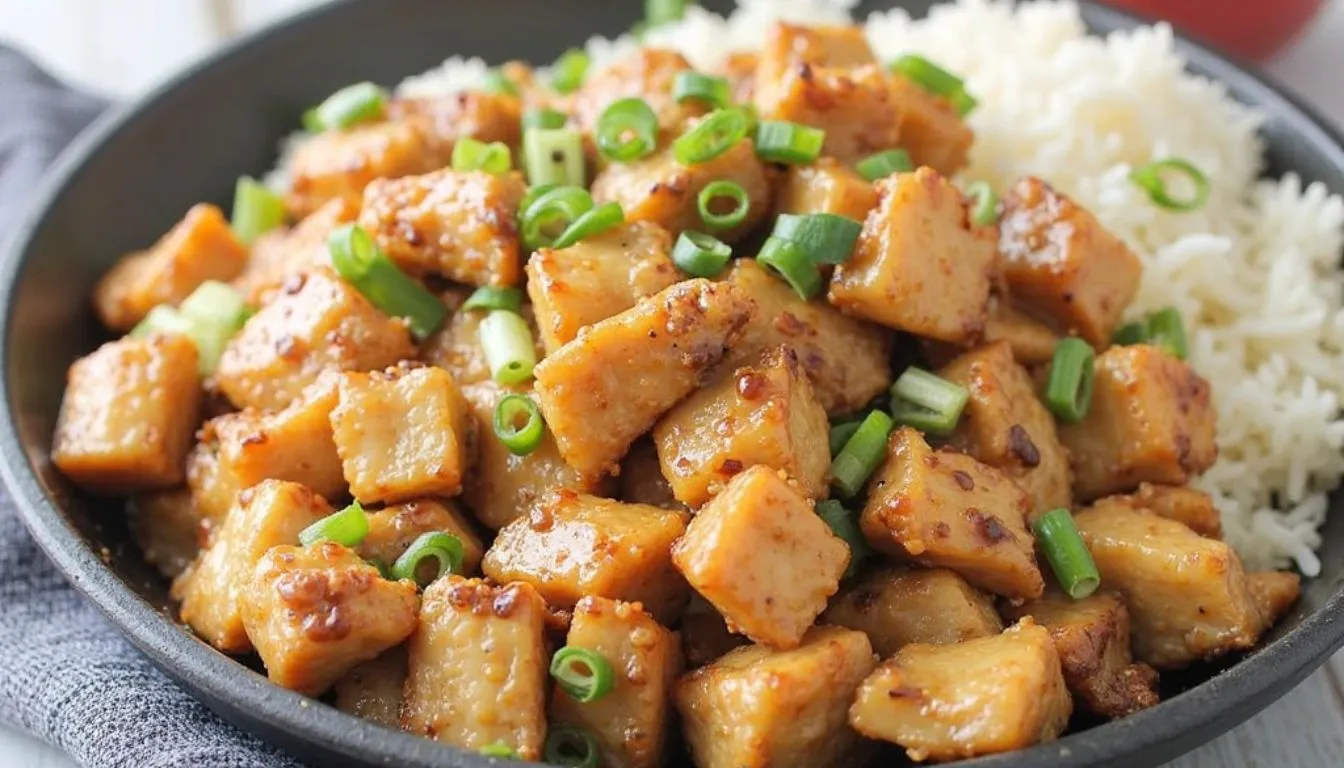
Unlock Hibachi Magic: Simple Tools & Techniques for Home Cooking
There's an undeniable allure to the hibachi experience – the mesmerizing sizzle, the vibrant dance of flames, and the theatrical culinary performance that transforms simple ingredients into an extraordinary meal. For many, this has been a treat reserved for special occasions at Japanese steakhouses. But what if you could bottle that magic and bring the joy of cooking hibachi at home into your own kitchen?
The good news is, you absolutely can! Recreating the distinctive flavors and interactive dining adventure of a hibachi grill is far more accessible than you might imagine. With a few essential tools, fresh ingredients, and a dash of enthusiasm, you can transform an ordinary dinner into an unforgettable culinary event that rivals your favorite restaurant. This comprehensive guide will demystify the process, empowering you to master the art of home hibachi cooking and impress your family and friends.
What Exactly is "Hibachi" Cooking (and Why Does it Matter at Home)?
Before we dive spatula-first into the cooking process, let's clarify a common point of confusion surrounding the term "hibachi." In its traditional Japanese context, a *hibachi* refers to a compact, open-topped heating device, often a brazier designed for warmth or small-scale cooking using charcoal. However, the "hibachi" experience most Americans are familiar with – where chefs artfully prepare food on a large, flat griddle – is actually the *teppanyaki* style of cooking.
For the purpose of cooking
hibachi at home, we'll be embracing the American restaurant interpretation: cooking on a large, flat, high-heat surface. This distinct cooking method is characterized by several key elements that contribute to its unique appeal and flavor profile:
- High-Heat Searing: This is fundamental. Intense heat locks in juices, creates irresistible caramelization, and develops deep, complex flavors in a matter of minutes.
- Minimalist Seasoning: Rather than relying on heavy sauces, hibachi celebrates the natural taste of high-quality ingredients. Simple additions like soy sauce, garlic, butter, salt, and pepper enhance, rather than overpower, the food.
- Interactive Preparation: Part of the fun is watching the food being cooked right in front of you. This engagement translates perfectly to a home setting, turning dinner into entertainment.
- Rapid Cooking Times: Quick exposure to high heat preserves the texture, nutrients, and vibrant colors of vegetables and proteins, ensuring every bite is fresh and delicious.
Understanding these principles is the first step to truly mastering the technique. To explore the nuances of these styles further, you might find our guide on
Hibachi vs. Teppanyaki: Recreating Authentic Japanese Cooking at Home particularly insightful.
Your Home Hibachi Arsenal: Simple Tools for Sizzling Success
You don't need a commercial-grade teppanyaki grill to achieve authentic results. The beauty of
hibachi at home lies in adapting professional techniques to readily available kitchen equipment.
The Essential Cooking Surface
The most critical piece of equipment is your cooking surface. What matters most is its ability to retain and distribute heat evenly.
- Cast-Iron Griddle or Flat-Top Grill: This is your ideal choice. A large cast-iron griddle, whether reversible for a stovetop or an electric flat-top, provides the excellent heat retention and expansive, even cooking surface necessary for searing multiple ingredients simultaneously.
- Large Cast-Iron Skillet: For smaller portions or if you're just starting, a spacious cast-iron skillet can absolutely work. Its heavy construction holds heat wonderfully.
- Well-Seasoned Wok: While less conventional for "flat-top" style hibachi, a wok can be used for stir-frying hibachi-inspired dishes, especially if you're comfortable with its high-heat capabilities.
Regarding heat sources, gas stovetops often provide more immediate and precise heat control, but electric stoves can certainly deliver excellent results with proper preheating and temperature management. The key is allowing your chosen surface to get *really* hot before you start cooking.
Beyond the Griddle: Must-Have Utensils
Once your cooking surface is sorted, a few simple utensils will make all the difference in replicating that signature hibachi flair:
- Two Metal Spatulas: This is non-negotiable for the iconic flipping, chopping, and scraping techniques. Opt for sturdy, thin-edged spatulas that are easy to maneuver.
- Squeeze Bottles: Ideal for dispensing cooking oils and various sauces with precision, allowing you to drizzle like a pro.
- Sharp Knives: Crucial for uniform and efficient ingredient preparation. A chef's knife and a utility knife will cover most needs.
- Small Bowls (Mise en Place Containers): Professional organization, known as "mise en place" (everything in its place), is paramount. Having all your pre-measured and prepped ingredients within arm's reach prevents scrambling and allows you to focus solely on the cooking "performance."
The Heart of the Meal: Choosing & Prepping Your Ingredients
The foundation of exceptional hibachi lies in the quality and freshness of your ingredients. Simple preparation allows their natural flavors to shine.
Proteins that Perform
Aim for cuts that cook relatively quickly and sear well.
- Steak: Ribeye or sirloin are excellent choices. Look for cuts about 1-inch thick, which will sear beautifully while remaining tender within. Cut into bite-sized pieces for easier cooking and eating.
- Chicken: Boneless, skinless chicken breast or thighs are versatile. Thighs offer more flavor and tend to stay juicier. Cut into uniform 1-inch cubes.
- Shrimp: Large, peeled, and deveined shrimp are a hibachi staple. They cook very quickly, so add them towards the end.
- Scallops: For a touch of gourmet, sea scallops are fantastic. Ensure they are dry before cooking for a perfect sear.
Vibrant Vegetable Medley
Fresh, crisp vegetables add color, texture, and essential nutrients.
- Zucchini: Slice into half-moons or thick planks.
- Onions: Cut into thick rings or large chunks that hold their shape.
- Mushrooms: Cremini or button mushrooms, halved or quartered, work well.
- Broccoli: Florets only, ensuring they are roughly the same size for even cooking.
- Other Options: Carrots (thinly sliced), bell peppers, and snap peas can also be wonderful additions.
The Flavor Foundation: Oils & Seasonings
These pantry staples are your secret weapons for authentic hibachi flavor.
- Soy Sauce: A high-quality, low-sodium soy sauce is preferred. It adds umami and saltiness without overwhelming.
- Butter: Unsalted butter is essential for adding richness and helping with caramelization, especially towards the end of cooking.
- Garlic: Freshly minced garlic is non-negotiable for that signature aroma and flavor.
- Salt and Pepper: Keep it simple and let the ingredients speak for themselves.
- Vegetable Oil: For cooking at high temperatures without smoking. Canola or grapeseed oil are good choices.
Mastering the Hibachi Dance: Techniques for Restaurant-Quality Results
With your tools and ingredients ready, it's time to bring your home hibachi to life.
The Art of Mise en Place
This cannot be stressed enough. Before you even turn on the heat, have *everything* prepped: proteins cut, vegetables sliced, sauces mixed, and seasonings measured out into those small bowls. This allows for a smooth, continuous cooking flow – just like a professional chef.
Heat Management is Key
Preheat your griddle or skillet thoroughly over medium-high to high heat. You want it smoking slightly before adding oil. This ensures an immediate sear, which is crucial for flavor and preventing sticking. Maintain a consistent high heat throughout the cooking process, adjusting as needed.
Cooking Sequence & Timing
The order in which you cook ingredients matters.
- Vegetables: Start with denser vegetables like onions and carrots, followed by zucchini, mushrooms, and broccoli. Cook them until tender-crisp, using your spatulas to toss and turn them constantly. Season lightly with salt, pepper, and a touch of soy sauce towards the end. Push them to a cooler part of the griddle (or remove and keep warm) once done.
- Proteins: Add a fresh drizzle of oil to the hot griddle. Sear steak, chicken, or scallops in a single layer without overcrowding. Resist the urge to move them too soon; allow a crust to form before flipping. Cook until desired doneness, then chop steak and chicken into smaller pieces with your spatulas. Add minced garlic, a pat of butter, and a splash of soy sauce in the final minutes.
- Shrimp: As shrimp cook very quickly, add them after other proteins are nearly done. They typically take only 2-3 minutes per side. Season similarly.
The Spatula Symphony
This is where the fun begins. Use your two spatulas to chop, flip, and push ingredients around the hot surface. Practice makes perfect for creating those satisfying clanking sounds and artful movements. Don't be afraid to experiment!
Seasoning with Precision
Season lightly and throughout the cooking process. A pinch of salt and pepper on the raw ingredients, a little garlic and butter as proteins cook, and a final drizzle of soy sauce ties everything together. The goal is to enhance, not overpower.
Beyond the Basics: Elevating Your Home Hibachi Experience
To truly capture the restaurant experience, consider these enhancements:
Mastering the Sauces
No hibachi meal is complete without its iconic sauces. While simple soy sauce is a given, experiment with homemade versions of:
- Yum Yum Sauce (Pink Sauce): A creamy, slightly sweet, and tangy mayonnaise-based sauce.
- Ginger Dipping Sauce: A refreshing, savory sauce often made with ginger, soy sauce, rice vinegar, and a hint of sugar.
- Mustard Sauce: A zesty, horseradish-infused mustard dip.
Having these readily available for dipping adds another layer of authenticity and flavor.
The Hibachi Fried Rice
If space allows on your griddle, or if you cook in batches, hibachi fried rice is a must. Use day-old, chilled rice for the best texture. Sautéing it with butter, garlic, soy sauce, a beaten egg, and chopped vegetables (like peas and carrots) right on the griddle elevates the entire meal.
Creating the "Show" Element
While an onion volcano might be a challenge, you can still make it interactive. Engage your diners by explaining what you're doing, asking for their doneness preferences, and demonstrating simple spatula tricks. The shared experience of cooking and eating together is, after all, a huge part of hibachi's charm. For more in-depth recipes and techniques to perfect your home setup, explore
Mastering Hibachi at Home: Your Complete Guide to Restaurant Flavors.
Conclusion
Bringing the vibrant world of hibachi into your kitchen is a rewarding culinary adventure that's more achievable than you might think. By understanding the core principles of high-heat cooking, investing in a few simple tools, and focusing on quality ingredients and precise techniques, you can recreate the magic of your favorite Japanese steakhouse right on your stovetop. So, gather your ingredients, sharpen your spatulas, and get ready to unlock the joy of cooking
hibachi at home – it's an experience your taste buds (and your guests) won't soon forget!